 How-to
How to Prevent Stainless Steel Corrosion
Last Updated: November 12, 2026
Quick Summary
Stainless steel corrosion is prevented by protecting the thin chromium oxide passive layer on its surface. Passivation rebuilds that layer after cutting, drilling or grinding, while regular cleaning with fresh water and a soft cloth removes salt and iron contamination. For marine use, 316 (A4) grade offers stronger resistance than 304 (A2).
- Passivation rebuilds the passive layer, most useful after cutting, drilling or grinding
- Iron particles from tools and carbon steel cause most surface rust
- Use 316 (A4) grade for marine use, as its molybdenum content resists chlorides better
- Keep stainless fixings away from carbon steel and aluminium, using insulating washers where contact is unavoidable
- Rinse and dry fixings after salt exposure and inspect for rust or pitting every few months
Table of Contents
- Why Stainless Steel Corrodes and How Passivation Protects It
- Choosing Marine Grade Stainless Steel Grades and Managing Galvanic Corrosion in Marine Fixings
- Setting a Stainless Steel Maintenance Schedule to Keep Corrosion at Bay
- Frequently Asked Questions
Why Stainless Steel Corrodes and How Passivation Protects It
Stainless steel resists rust, but it is not rust-proof, and stainless steel corrosion can still occur when the surface is damaged. Its protection comes from a thin, invisible layer of chromium oxide on the surface, known as the passive layer. Damage or contamination to that layer is what lets corrosion start.
Passivation is the process that rebuilds and strengthens this layer. It is most useful after cutting, drilling or grinding, which can leave iron particles on the surface. Those particles can rust and then spread corrosion to clean metal. The British Stainless Steel Association guidance on passivation explains the surface treatment in more detail.
- Stainless steel can still rust if the passive layer breaks down
- Iron contamination from tools and carbon steel causes most surface rust
- Chlorides from salt water and sea spray are a common trigger for pitting
Choosing Marine Grade Stainless Steel Grades and Managing Galvanic Corrosion in Marine Fixings
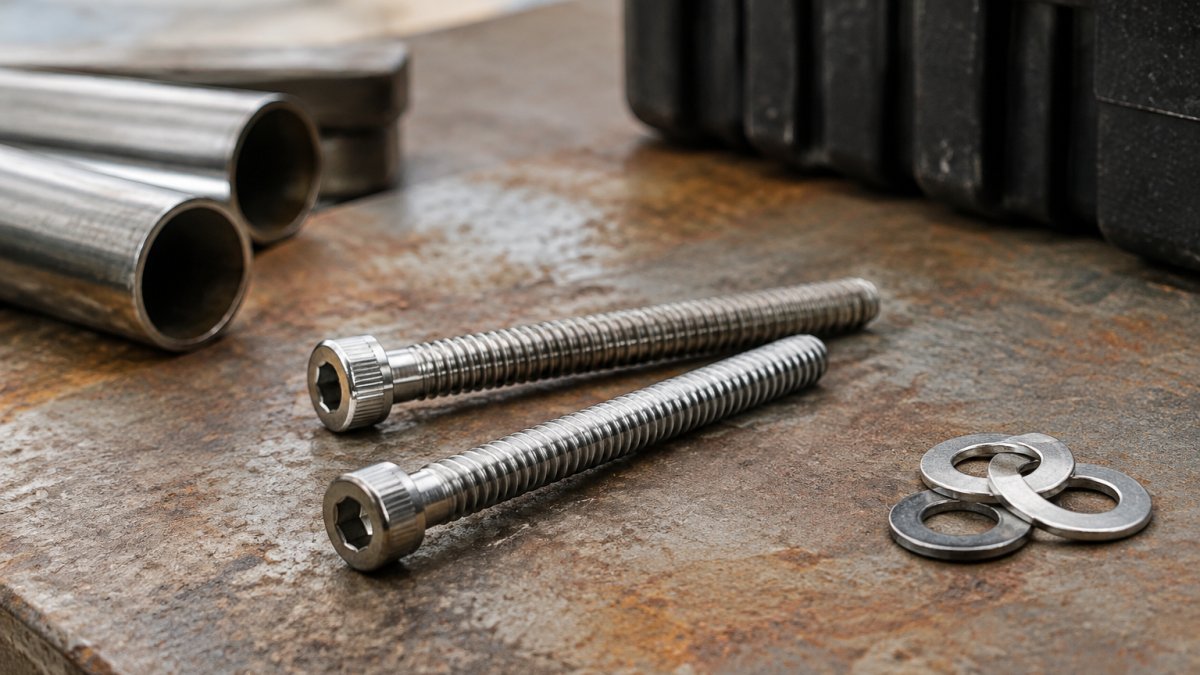
For marine use, 316 stainless steel (A4) is the standard choice, since it offers strong protection against stainless steel corrosion from salt exposure. Its molybdenum content gives it better resistance to chlorides than the more common 304 grade (A2). Check the grade stamp or supplier documentation before you fit anything near salt water.
Galvanic corrosion happens when two different metals touch in the presence of an electrolyte, such as seawater. The less noble metal corrodes faster. Keep stainless fixings away from carbon steel and aluminium where possible, and use insulating washers when contact cannot be avoided.
Browse our [page:2] for 316 (A4) marine fixings, or our [page:3] for A4 wood screws. Both are useful when specifying marine-grade parts.
Setting a Stainless Steel Maintenance Schedule to Keep Corrosion at Bay
A simple routine stops most corrosion before it starts. Wipe stainless surfaces with fresh water and a soft cloth, then dry them. Use a mild detergent for dirt, and avoid abrasive pads that can scratch the surface.
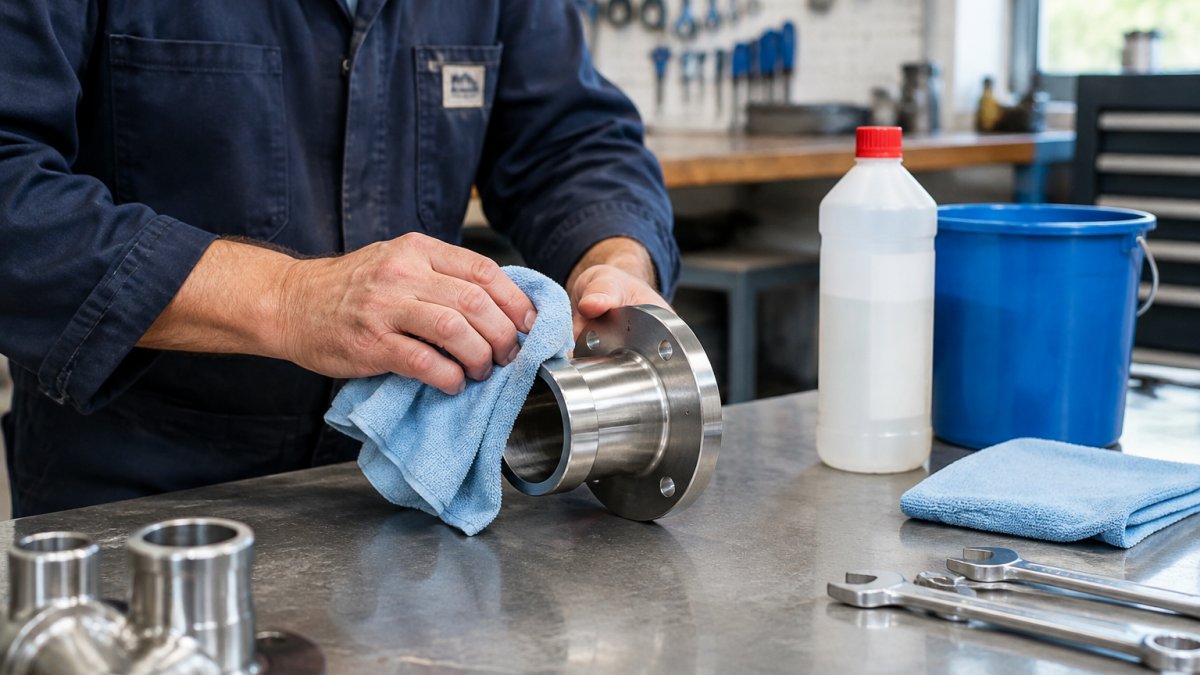
- Rinse and dry fixings after exposure to salt or cleaning chemicals
- Inspect for surface rust spots, pitting or cracks every few months
- Remove contamination from iron particles as soon as you spot it
If you find corrosion, clean the area and check whether the surface needs repassivation. For replacements, [page:4] shows A2 stainless nails available in bulk.
Stainless steel fixings are only as good as the care they get. If you are sourcing fixings for a marine or outdoor project, Swiftfix Distributors Ltd can help you find the grade and size you need.
Frequently Asked Questions
What is the most effective way to prevent stainless steel from corroding?
The most effective approach combines choosing a suitable grade for the environment, keeping the surface clean and free of iron particles and salt deposits, and rinsing and drying the metal after exposure to moisture or chlorides. Use a mild detergent and a non-abrasive cloth, avoid carbon steel tools contacting the surface, and make sure the surface is properly passivated. Regular inspection helps you catch early staining before it becomes pitting or crevice corrosion, which is far easier to prevent than to repair.
Does stainless steel rust in marine environments?
Stainless steel can rust in marine environments, particularly where salt spray, standing water or crevices trap chlorides against the surface. Marine grade stainless steel, such as 316, contains molybdenum that improves resistance to chloride attack, so it is generally the better choice for boat fittings and coastal fixings. Rinsing with fresh water after exposure to salt water and keeping crevices dry will significantly reduce the risk of surface rust and pitting.
How often should stainless steel be cleaned to prevent corrosion?
Clean stainless steel at a frequency that matches its exposure. Fixings and fittings in coastal or marine settings benefit from rinsing with fresh water after each exposure to salt water and a more thorough cleaning at least monthly. Indoor or sheltered items may need cleaning only every few months. Always rinse thoroughly and dry the surface after cleaning, and use a stainless steel maintenance schedule to log checks so deposits are removed before they can cause staining.