 How-to
How to Stop Marine Fasteners Failing Before They Do
Last Updated: November 18, 2026
Quick Summary
Marine fasteners usually fail because the environment corrodes them and the load is not shared well across the joint. Choosing corrosion-resistant materials, checking the screw suits the build-up, and confirming the specification before fixing all reduce the risk of failure.
- Confirm the specification with the manufacturer before fixing, rather than relying on a general rule.
- Check that the specific product suits the job, including screw length and embedment depth.
- The upper thread needs sufficient engagement in the upper timber to work properly.
- A screw designed for a substantial counter batten should not be assumed suitable for thin plywood.
- Ordinary smooth-shank screws can pull the upper timber down and compress the insulation.
Table of Contents
- Why Have a Dual Threaded Screw?
- What Each Part of the Screw Does
- Why Not Use an Ordinary Long Screw?
- Checking Suitability on Plywood Decks
- Frequently Asked Questions
Why Have a Dual Threaded Screw?
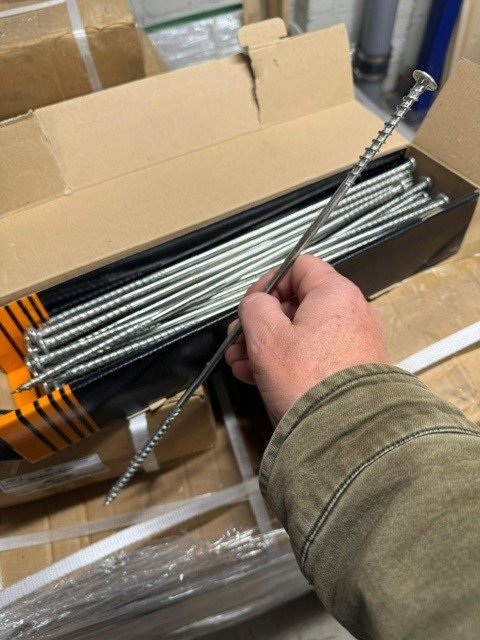
Dual threaded screws are a practical answer to a common problem in warm roof construction. They are designed to hold two layers of timber apart while the insulation sits between them.
The two threads grip the timber on either side of the insulation. This helps hold the timber at the correct spacing without crushing the insulation. These are often called double-threaded warm roof or insulation screws.
What Each Part of the Screw Does
Each section of the screw has a separate job:
- Thread near the tip: Anchors into the supporting timber below the insulation, usually a rafter or joist.
- Smooth middle section: Passes through the insulation layer.
- Thread beneath the head: Grips the upper timber, usually a counter batten, and helps keep it in position above the structure.
Together, these sections let the roof load pass through the screw into the supporting timber. That takes pressure off the insulation, which is useful with softer materials that can compress under load.
Why Not Use an Ordinary Long Screw?
An ordinary screw with a smooth shank under the head tends to pull the upper timber down onto the lower timber as it tightens. With insulation between them, that pull can squash the insulation.
The extra upper thread helps resist that movement. It keeps the upper timber from being drawn in, so the insulation keeps its shape.
Checking Suitability on Plywood Decks
Before using these screws on a plywood deck, check that the specific product suits the job. The upper thread needs enough engagement in the upper timber to work properly. A screw designed for a substantial counter batten should not be assumed suitable for thin plywood.
Screw length, thread positions, embedment depth, spacing and installation angle all need to match the roof build-up and the manufacturer's design guidance. If you are unsure, check the manufacturer's technical information for your exact roof make-up before ordering.
Confirm the specification with the manufacturer before fixing, rather than relying on a general rule.
Frequently Asked Questions
Why do fasteners corrode faster in marine environments?
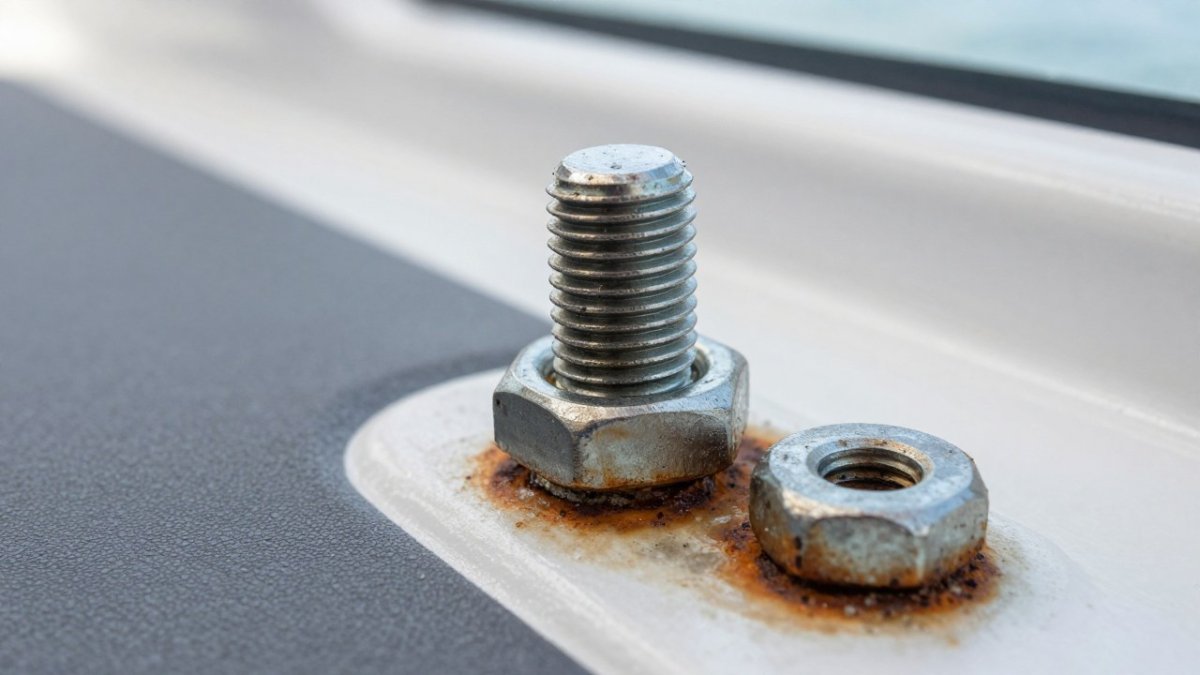
Seawater is rich in chlorides, which break down the thin passive layer that protects stainless steel and other corrosion-resistant alloys. Salt spray, humidity and temperature changes keep surfaces wet, so pitting can start quickly. Crevices under washers and heads trap moisture and salt, accelerating attack. Regular rinsing with fresh water and checking for early pitting helps slow this down.
Which fastener materials are suitable for marine use?
Marine fastener material selection depends on exposure conditions, load and the metals being joined. Grade 316 stainless steel is widely used in marine work because its added molybdenum improves resistance to chloride pitting. Always check the material grade and confirm the fastener suits your specific marine application before ordering from Swiftfix Distributors Ltd.
How can you tell when a marine fastener is failing?
Look for rust staining, pitting, crevice corrosion under heads, cracking near the thread roots and any movement or loosening in the joint. Fatigue failure often shows as fine cracks at stress points. If you find any of these signs, replace the fastener and review the material and installation rather than simply retightening it. For current stock and quotes, contact Swiftfix Distributors Ltd directly.