 How-to
Why Use a Dual Threaded Warm Roof Screw?
Last Updated: 10 November 2026
Quick Summary
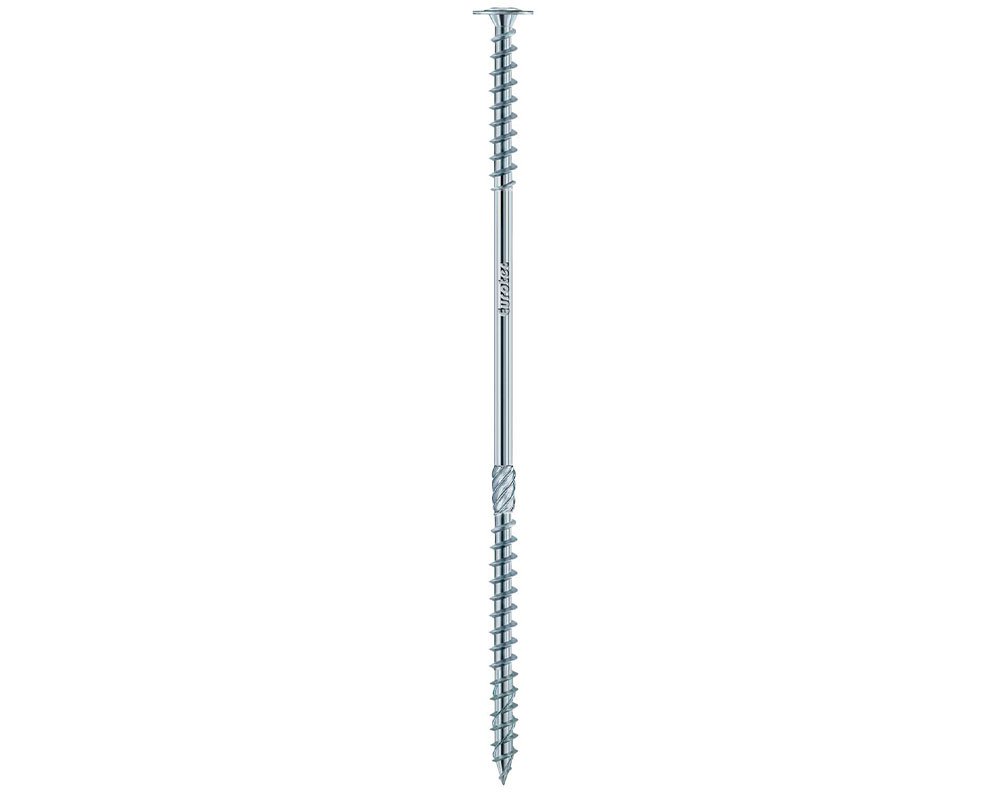
A dual threaded screw is a warm roof fixing with threads at both ends and a smooth middle section, built to hold two timber layers apart while insulation sits between them. The lower thread anchors into the supporting timber, the upper thread grips the counter batten, and the smooth section passes through the insulation without crushing it.
- The thread near the tip anchors into the supporting timber below the insulation.
- The smooth middle section passes through the insulation layer without compressing it.
- An extra thread beneath the head restrains the upper timber from being pulled down.
- Roof loads transfer through the screws, so the insulation carries less load.
- Plywood decks need a check that the upper thread has sufficient engagement.
Table of Contents
- How a Dual Threaded Screw Holds Roof Timber Without Crushing Insulation
- Why an Ordinary Long Screw Falls Short in Warm Roof Builds
- Checking Suitability Before You Buy Eurotec Top Duo Screws
- Frequently Asked Questions
How a Dual Threaded Screw Holds Roof Timber Without Crushing Insulation
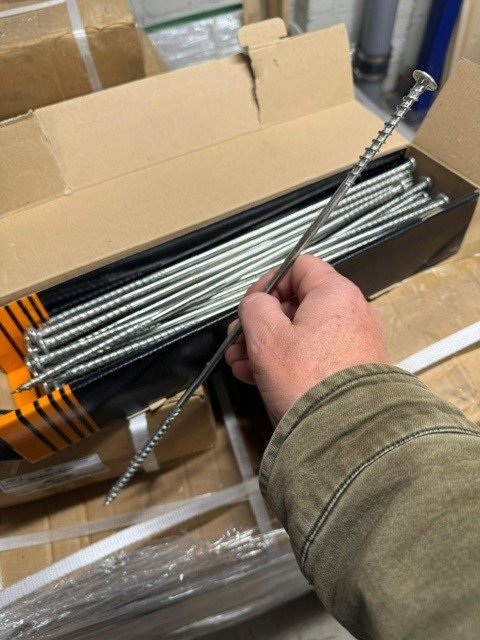
A dual threaded screw is a warm roof fixing with threads at both ends and a smooth section between them, and it is built to hold two timber layers apart while the insulation sits in the gap. Choosing the right screw matters from the first pass.
The two threads each grip a different piece of timber. The thread near the tip anchors into the supporting rafter or joist below the insulation. The thread beneath the head grips the upper counter batten. The smooth middle passes through the insulation without compressing it.
Builder in gloves fitting a dual threaded screw through roof insulation into a timber rafter
Roof loads then pass through the screws into the supporting timber, so the insulation does not have to carry them. This matters most with softer insulation, which can compress under pressure. Manufacturer guidance from Eurotec roof and facade product information describes this load path in detail.
The table below sets out what each part of the screw does, as described above.
Part of the screw | What it does |
|---|---|
Thread near the tip | Anchors into the supporting timber below the insulation |
Smooth middle section | Passes through the insulation layer |
Thread beneath the head | Grips the upper timber and holds its position |
Why an Ordinary Long Screw Falls Short in Warm Roof Builds
A standard long screw with a smooth shank under the head pulls the upper timber down onto the lower timber as it tightens. With insulation between them, that pull squeezes the insulation and can change the spacing the design depends on.
The extra thread under the head restrains that movement. It holds the upper timber at its set position, which is the whole point of a dual threaded design.
Checking Suitability Before You Buy Eurotec Top Duo Screws
Check the screw's suitability before ordering, particularly for plywood decks. The upper thread needs enough engagement in the upper timber, and a screw designed for a substantial counter batten is not automatically right for thin plywood.
Confirm screw length, thread positions, embedment, spacing and installation angle against the roof build-up and the manufacturer's design guidance.
Next step: Work out your roof build-up before you order, then check the thread positions against the timber sizes. If you are unsure which length or thread arrangement suits your project, contact Swiftfix Distributors Ltd for help choosing the right fixing.
Frequently Asked Questions
Why is a dual threaded screw used in warm roofs?
A dual threaded screw has one thread that anchors into the supporting timber below the insulation and a second thread beneath the head that grips the upper counter batten. Together the threads hold the timber at the correct spacing without compressing the insulation between them. This matters most with softer insulation, which can compress under load. Because roof loads pass through the screws into the supporting timber, the insulation is not relied on to carry them.
How is a dual threaded screw different from an ordinary long screw?
An ordinary screw with a smooth shank beneath the head pulls the upper timber down towards the lower timber as it tightens. With insulation between them, this compresses the insulation. The upper thread on a dual threaded screw restrains that movement, so the gap is kept consistent. The screw still needs to be sized for the roof build-up, since length and thread position determine how well it performs.
Are dual threaded screws suitable for thin plywood decks?
Not automatically. The upper thread needs enough engagement in the upper timber to work properly. A screw designed for a substantial counter batten may not suit thin plywood. Check the manufacturer's guidance on screw length, thread positions, embedment, spacing and installation angle for your roof build-up before choosing a product.