 blog
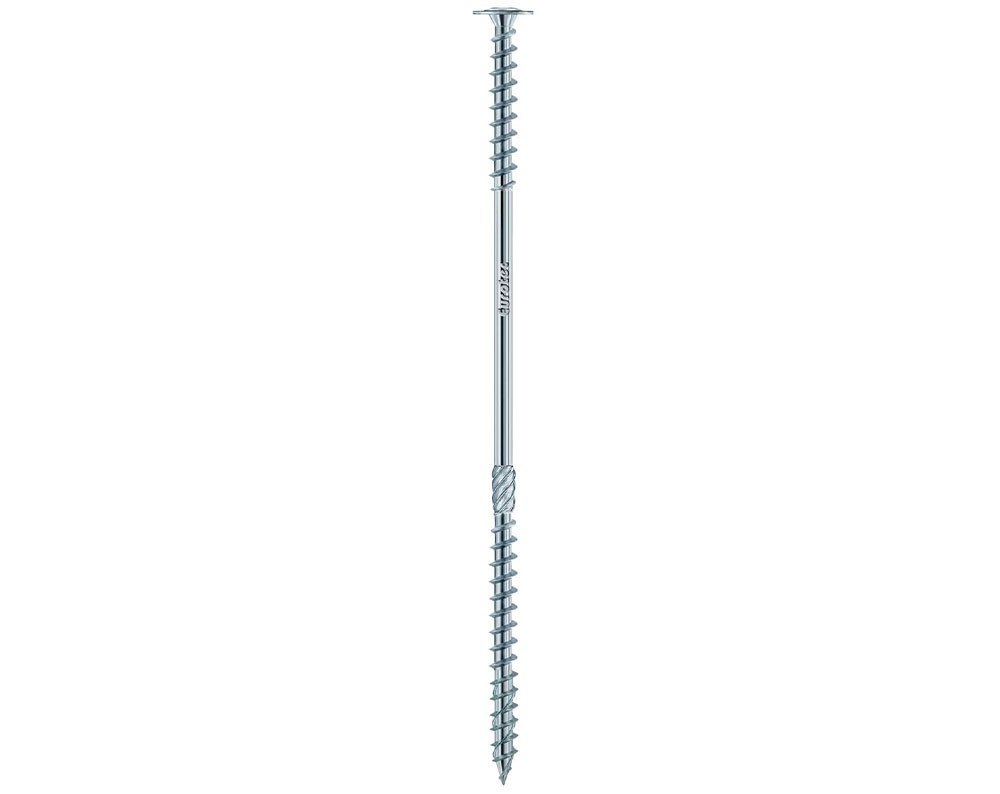
Dual Threaded Warm Roof Screws: How They Work
Last Updated: 3 November 2026
Quick Summary
Warm roof screws are double-threaded fixings with a thread at each end of the shank, so they grip the timber above and below the insulation. They hold the layers at the correct spacing without crushing the insulation between them. Check each screw's suitability before using it on plywood decks.
- The thread near the tip anchors into the supporting rafter or joist below the insulation.
- The smooth middle section passes through the insulation layer without compressing it.
- The thread beneath the head grips the upper counter batten and holds it in position.
- An ordinary smooth-shank screw can pull the upper timber down and compress the insulation.
- Screw length, thread positions and spacing must suit the roof build-up and manufacturer guidance.
Table of Contents
- Why Have a Dual Threaded Screw?
- How Each Thread Does Its Job
- Why an Ordinary Long Screw Falls Short
- Frequently Asked Questions
Why Have a Dual Threaded Screw?
Warm roof screws, often called double-threaded warm-roof or insulation screws, are built with a thread at each end of the shank. Browse stainless steel fixings suited to warm roof build-ups to compare options. The two threads grip the timber on either side of the insulation, holding it at the correct spacing without crushing the layer between them.
How Each Thread Does Its Job
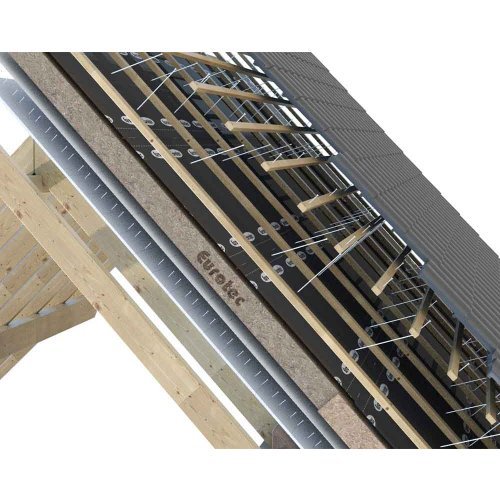
Each part of these warm roof screws has a separate role. The thread near the tip anchors into the supporting timber below the insulation, typically a rafter or joist. The smooth middle section passes through the insulation. The thread beneath the head grips the upper timber, usually a counter batten, and keeps it in position above the structure.
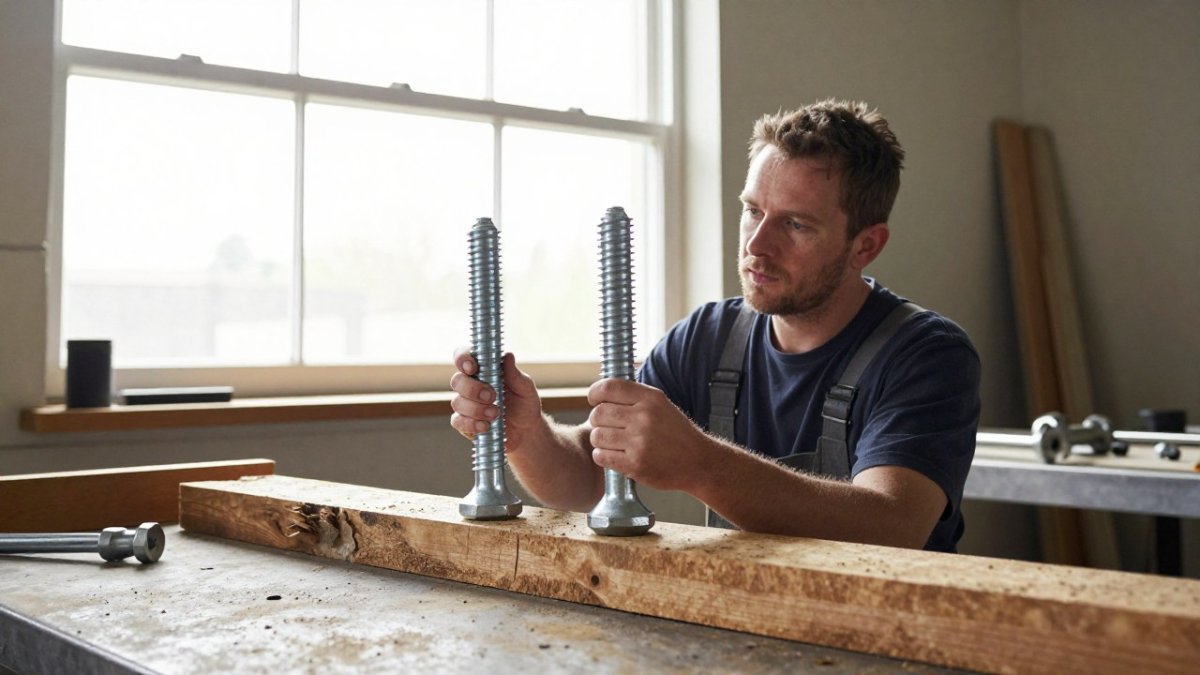
Builder holding a dual-threaded screw next to rigid insulation and a timber rafter for warm roof screws installation.
Roof loads pass through the screws into the supporting timber. This reduces reliance on the insulation to carry those loads, which matters with softer insulation that can compress under pressure.
Why an Ordinary Long Screw Falls Short
An ordinary screw with a smooth shank beneath the head tends to pull the upper timber towards the lower timber as it tightens. With insulation between them, this compresses the insulation. The additional upper thread restrains that movement and helps the build-up stay true.
For plywood decks, check each screw's suitability before buying. The upper thread needs enough engagement in the upper timber, so a screw designed for a substantial counter batten should not be assumed suitable for thin plywood. Screw length, thread positions, embedment, spacing and installation angle must suit the roof build-up and the manufacturer's design guidance.
The table below sums up how the two threads and the smooth middle section each contribute to the fixing.
Part of screw | Role | Key point |
|---|---|---|
Thread near the tip | Anchors into supporting timber below insulation | Typically a rafter or joist |
Smooth middle section | Passes through insulation layer | Keeps insulation uncompressed |
Thread beneath head | Grips upper timber | Usually a counter batten |
Ordinary smooth-shank screw | Pulls upper timber towards lower | Can compress insulation |
Frequently Asked Questions
What is a dual threaded warm roof screw used for?
A dual threaded warm roof screw grips the timber on either side of the insulation layer. The thread near the tip anchors into the rafter or joist below, while the thread beneath the head grips the counter batten above. Together they hold the upper timber at the correct spacing without compressing the insulation between them. This makes them suited to warm roof build-ups where the insulation must keep its full thickness and performance.
How is a warm roof screw different from an ordinary long screw?
An ordinary screw with a smooth shank beneath the head pulls the upper timber towards the lower timber as it is tightened. With insulation between them, this compresses the insulation. The additional upper thread restrains that movement and helps keep the counter batten in position. Fully threaded screws for wood offer a similar grip along the shank, but a dedicated warm roof screw places the threads at the points where the timber needs to be held.
Can I use warm roof screws on a plywood deck?
Not automatically. The upper thread needs sufficient engagement in the upper timber, and a screw designed for a substantial counter batten may not suit thin plywood. Check the manufacturer's design guidance for the specific product. Screw length, thread positions, embedment, spacing and installation angle must all suit your roof build-up before you order.