 blog
7 Specialist Fastener Suppliers for Builders Compared
Quick Summary
Specialist fastener suppliers for builders stock a range of construction fixings, with a focus on larger and specialised dimensions, and are worth comparing on stock depth, product detail and how quickly they can supply the exact specification needed. Choosing the right supplier saves time on site and reduces the risk of ordering the wrong part.
- Compare suppliers on stock depth, product detail and speed of supply for the exact specification.
- Double-threaded warm-roof screws have two threads separated by a smooth middle section that passes through insulation.
- The lower thread anchors into the rafter or joist, while the upper thread grips the counter batten.
- An ordinary smooth-shank screw can pull the upper timber down and compress the insulation.
- Thin plywood decks need checking, as screw length, thread positions and embedment must suit the roof build-up.
Table of Contents
- Why Builders Need a Specialist Fastener Supplier
- Why Use a Double-Threaded Warm-Roof Screw
- Checking Support and Structural Timber Screw Suitability
- Frequently Asked Questions
Why Builders Need a Specialist Fastener Supplier
Choosing the right fastener matters more than many builders expect. Swiftfix Distributors Ltd stocks a range of construction fixings, with a particular focus on larger and specialised dimensions. Compare suppliers on stock depth, product detail and how quickly they can supply the exact specification you need. The right supplier saves time on site and reduces the risk of ordering the wrong part. For more on sourcing structural long-thread screws, see the UK guide to structural fasteners and the [page:1].
Why Use a Double-Threaded Warm-Roof Screw
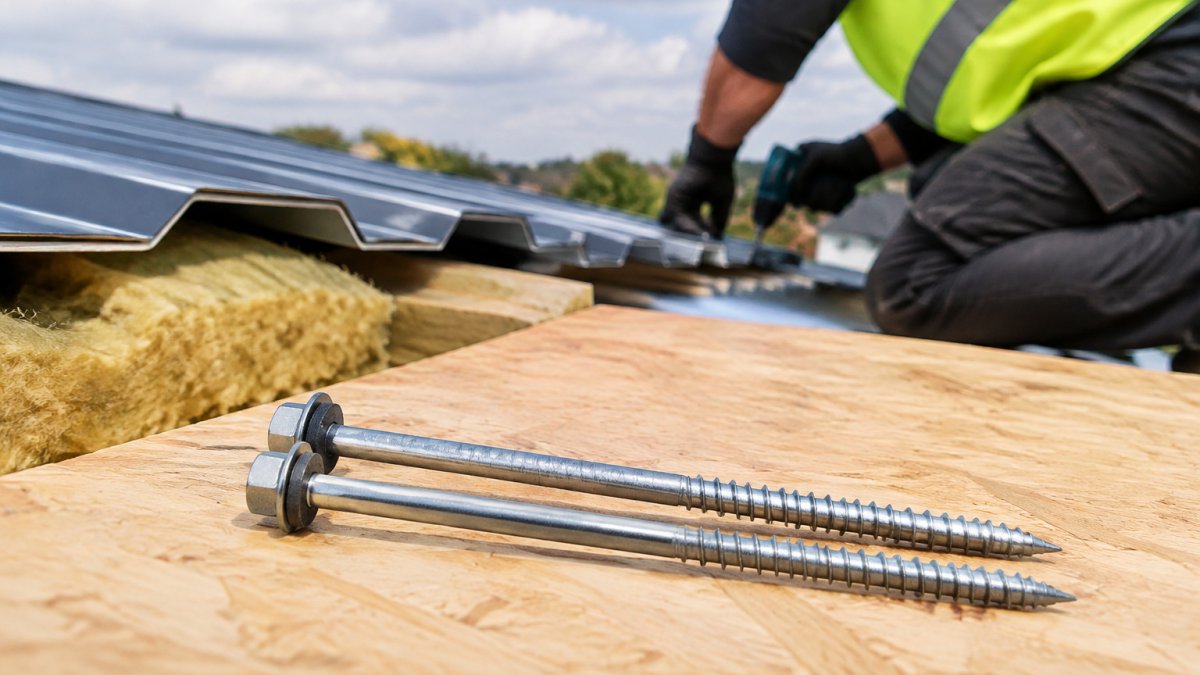
Double-threaded warm-roof screws, often called insulation screws, have two threads separated by a smooth middle section. The lower thread anchors into the rafter or joist below the insulation. The upper thread grips the counter batten above, helping hold it at the correct spacing without crushing the insulation between them. An ordinary long screw with a smooth shank tends to pull the upper timber down as it tightens, compressing the insulation. The extra upper thread restrains that movement.
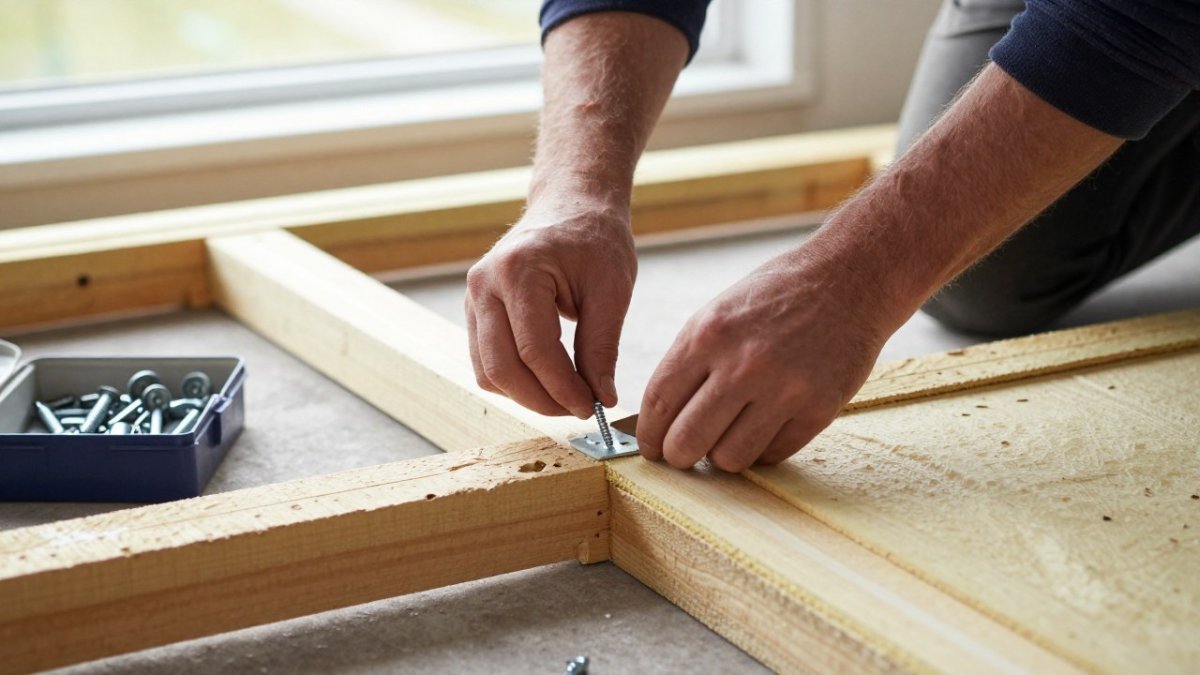
The screw's three parts each do a different job, as set out below.
| Part of the screw | What it does |
|---|---|
| Thread near the tip | Anchors into the supporting timber below the insulation |
| Smooth middle section | Passes through the insulation layer |
| Thread beneath the head | Grips the counter batten and holds it at the correct spacing |
Checking Support and Structural Timber Screw Suitability
Thin plywood decks need careful checking. The upper thread must engage enough material in the upper timber, so a screw designed for a substantial counter batten is not automatically suitable for thin ply. Screw length, thread positions, embedment, spacing and installation angle should all match the roof build-up and the manufacturer's design guidance.
Frequently Asked Questions
What should builders look for in a specialist fastener supplier?
Look for a supplier that stocks longer lengths and larger diameters, not just standard ranges. Check that materials such as 316 stainless steel are clearly described. Delivery times also matter on live sites. Swiftfix specialises in larger and specialised dimensions, so confirm the exact size you need against current stock on the website before committing to a project timetable.
What are double-threaded warm-roof screws used for?
Double-threaded warm-roof screws fix a counter batten through rigid insulation into the supporting rafter or joist. The lower thread anchors into the structural timber, the smooth middle passes through the insulation, and the upper thread grips the counter batten. This helps hold the batten at the correct spacing without crushing the insulation. They are sometimes called insulation screws for counter battens, and they are most useful where softer insulation could otherwise compress under load.
Can ordinary long screws be used to fix counter battens over insulation?
An ordinary long screw with a smooth shank beneath the head tends to pull the upper timber towards the lower timber as it is tightened. With insulation between them, this can compress the insulation. The additional upper thread restrains that movement, which is why a dual-threaded screw is usually preferred. Confirm the length, thread positions and spacing against the roof build-up and the manufacturer's design guidance before fixing.