 How-to
How to Choose Marine Grade Fasteners for Your Project?
Quick Summary
Choose marine grade fasteners by first judging how wet and salty the joint will be, then matching the metal to that exposure. 316 stainless steel (A4) generally suits coastal and marine work better than 304 (A2), and you should keep metals close in grade to avoid galvanic corrosion.
- Sort joints into three zones: above the waterline, splash zone and submerged.
- 304 stainless steel (A2) suits dry and mildly damp work at lower cost.
- 316 stainless steel (A4) contains molybdenum, which helps it resist saltwater pitting.
- Use isolating washers where dissimilar metals meet to reduce galvanic corrosion.
- Pre-drill timber to avoid splitting, and do not overtighten fasteners.
Table of Contents
- Matching Fastener Material to Your Exposure Zone
- 304 vs 316 Stainless Steel Fasteners: Which Suits Your Build?
- Avoiding Galvanic Corrosion and Installing Marine Fasteners Correctly
- Frequently Asked Questions
How to Choose Marine Grade Fasteners for Your Project?
Last Updated: 8 November 2026
Matching Fastener Material to Your Exposure Zone
Choosing the right marine grade fasteners starts with one question: how wet and salty will the joint get? The answer shapes what you order.
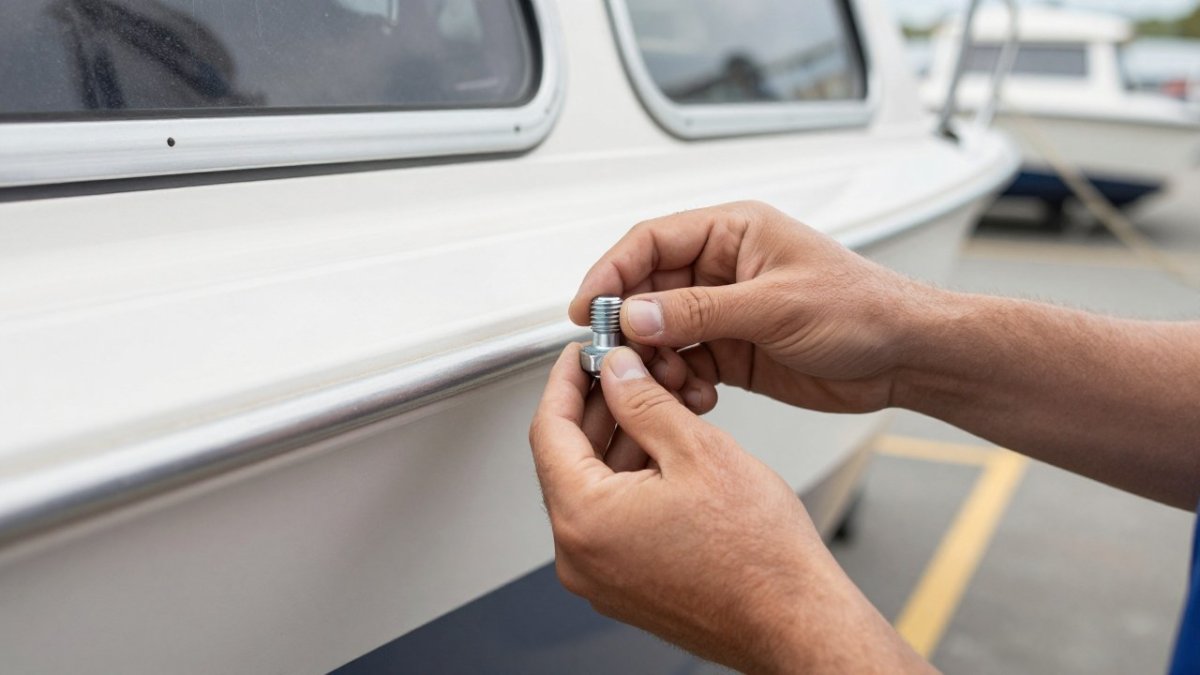
Think about three zones:
- Above the waterline: Sheltered, dry or splash-free areas need less protection.
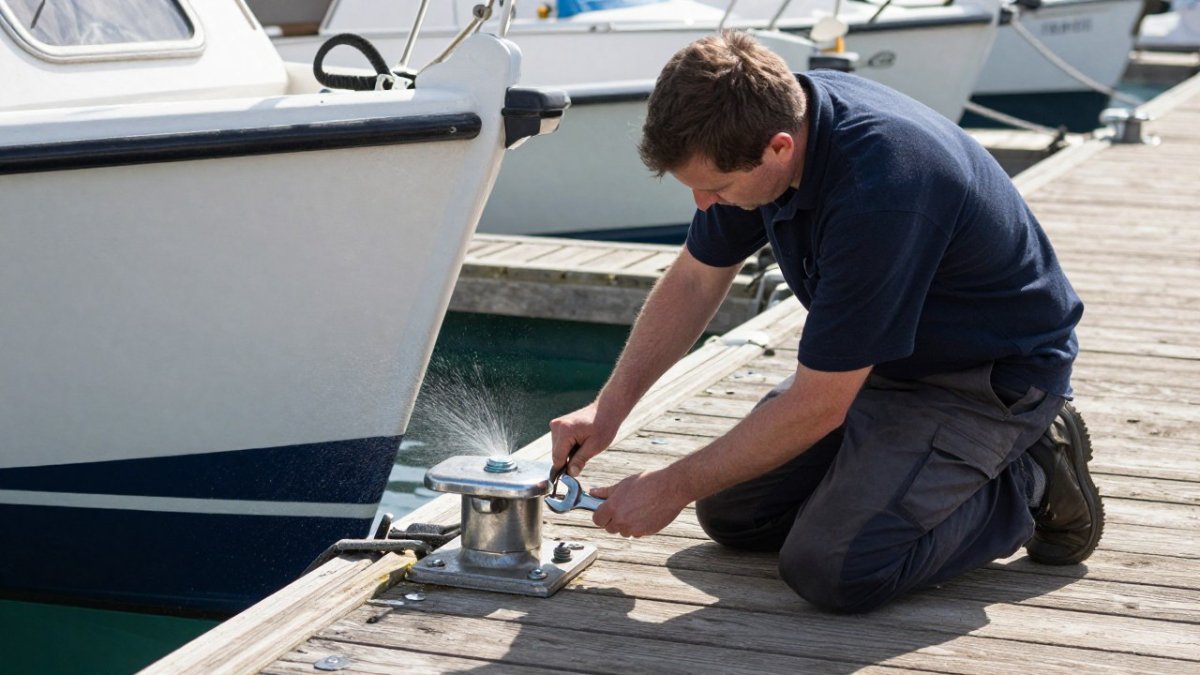
- Splash zone: Joints that get regular spray or wash need stronger corrosion resistance.
- Submerged: Anything below the waterline needs the highest grade you can source.
Test your metal before you commit. Check the markings on the packet or the stamp on the head, and ask the supplier for the grade in writing.
304 vs 316 Stainless Steel Fasteners: Which Suits Your Build?
304 stainless steel, often called A2, suits dry and mildly damp work. 316 stainless steel, called A4, contains molybdenum, which helps it resist saltwater pitting.
- 304 (A2): Lower cost, good for indoor and sheltered use.
- 316 (A4): Better for coastal and marine exposure.
For boat builds and anything near seawater, 316 is generally the better choice. Our article on the best corrosion resistant marine grade bolts sets out a shortlist of suitable options. Check our website for current stock and sizes, or request a quote for your specific project.
Avoiding Galvanic Corrosion and Installing Marine Fasteners Correctly
Mixing metals can cause galvanic corrosion, where one metal corrodes faster when it touches another in wet conditions. Keep fasteners and the materials they join as close in grade as you can, and use isolating washers where dissimilar metals meet.
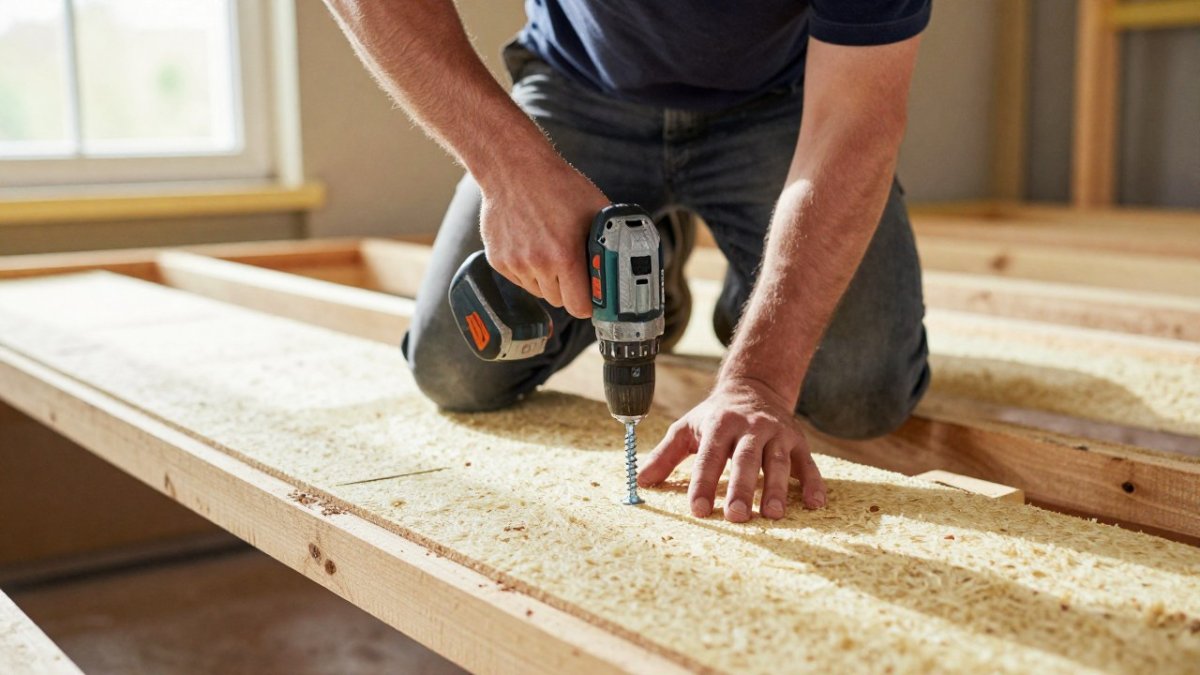
Installation matters as much as material. Pre-drill timber to avoid splitting, and do not overtighten, since this can strip threads or crush the material.
Frequently Asked Questions
What does marine grade mean for fasteners?
Marine grade generally describes fasteners made from alloys chosen to resist corrosion in saltwater and humid coastal air. In practice, this usually means austenitic stainless steel with molybdenum, such as 316, or silicon bronze for certain applications. The label itself is not a formal standard, so check the material grade and the supplier's stated specification rather than relying on the term alone. Always confirm the alloy before fitting fasteners below the waterline or in splash zones.
Is 316 stainless steel suitable for marine fasteners?
316 stainless steel is widely used for marine fasteners because the molybdenum in its composition improves resistance to pitting and crevice corrosion in chloride environments such as seawater. It suits most above-waterline and many submerged applications. For highly aggressive exposure or constant immersion, the environment and the fastener's load should be assessed carefully, and a supplier can advise on whether a higher-performance alloy is needed for the specific job.
What is the difference between 304 and 316 stainless steel fasteners?
The main difference is that 316 contains molybdenum, which gives it better resistance to chloride attack than 304. For dry indoor use or sheltered locations, 304 is often adequate. For coastal, saltwater or splash-zone work, 316 is the safer choice. Both grades are stainless, so the decision rests on the level of chloride exposure rather than on strength alone.