 Comparison
Flap Disc vs Grinding Disc for Weld Cleanup Compared
Last Updated: November 16, 2026
Quick Summary
A flap disc is the better choice for finishing weld cleanup, while a grinding disc suits aggressive removal of excess bead. Work through the stages in sequence: grinding disc first, then a flap disc, finishing with a finer grit. Keep stainless discs separate to avoid contamination.
- Use a grinding disc to knock down excess weld bead quickly.
- Switch to a flap disc to level and blend the weld into the surface.
- Finish with a finer grit flap disc to remove coarser scratch patterns.
- Keep stainless steel discs separate from mild steel discs to avoid iron contamination.
- Check the disc's maximum RPM is at least the grinder's no-load speed before fitting.
Table of Contents
- Flap Disc vs Grinding Disc: The Key Differences
- Which Disc to Use for Each Stage of Weld Cleanup
- Choosing Grit and Abrasive Safely on Stainless Steel Welds
- Frequently Asked Questions
Flap Disc vs Grinding Disc: The Key Differences
Choosing between a flap disc and a grinding disc for weld cleanup comes down to how much metal you need to remove and how smooth the finish must be.
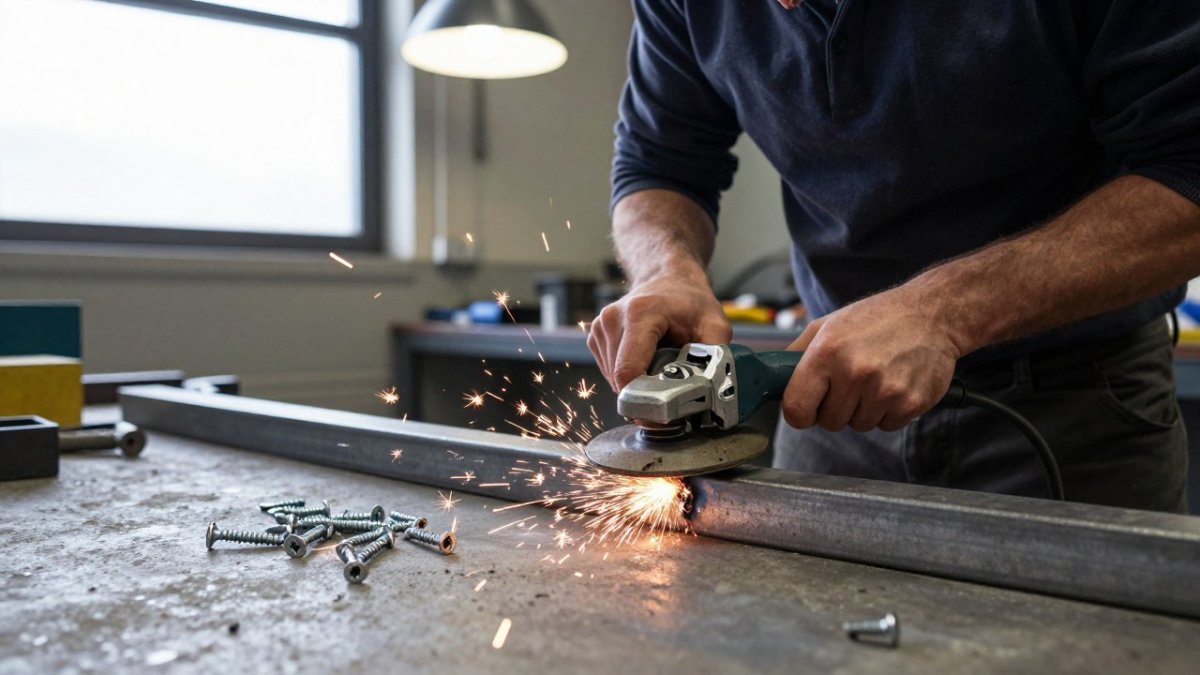
A grinding disc removes weld material fast but leaves a coarser surface. A flap disc is built from overlapping abrasive flaps, so it grinds and blends in one operation, and fresh abrasive is exposed as the flaps wear. In practice, the grinding disc is the tool for aggressive stock removal, while the flap disc is the tool for finishing. Many fabricators industry guidance on abrasive selection use the two in sequence rather than choosing one.
Which Disc to Use for Each Stage of Weld Cleanup
Weld cleanup is a sequence, and the disc you choose at each stage determines how much parent metal you keep and how much finishing remains.
| Stage | Best disc | Reason |
|---|---|---|
| Remove excess bead | Grinding disc | Fast material removal |
| Level weld to surface | Flap disc | Blends the transition |
| Final finish | Flap disc | Smoother, more even result |
Stage 1: Knock down the bead with a grinding disc. Keep a grinding disc moving so you do not gouge a flat spot. Reduce the crown of the weld rather than grinding it flush, which removes parent metal either side of the seam.
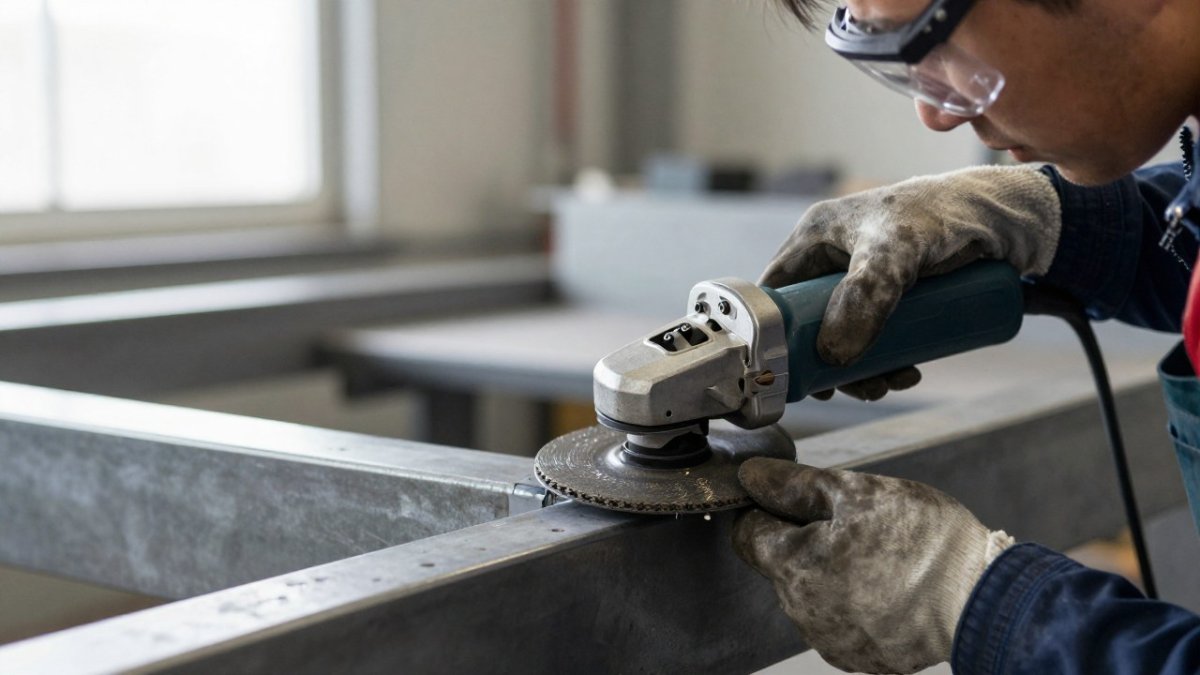
Stage 2: Level and blend with a flap disc. A flap disc cuts less aggressively, giving more control near the surface. Work along the weld rather than across it, and let the flaps do the cutting.
Stage 3: Final finish with a finer flap disc. Change to a finer grit flap disc to remove the scratch pattern from the coarser disc. On stainless steel, a finer grit also reduces the risk of overheating and discolouration.
Disc geometry matters. A depressed-centre grinding disc has a recessed hub for shallower angles in corners; a conical flap disc reaches into fillet welds, while a flat flap disc suits flat surfaces and outside edges. Check that the disc's maximum RPM matches or exceeds your grinder's no-load speed.
Watch out: Using a grinding disc for the final pass leaves deep scratches a flap disc may not fully remove, and it is easy to remove too much parent metal at the weld edges. Keep the grinding disc for heavy work only.
Choosing Grit and Abrasive Safely on Stainless Steel Welds
Stainless steel work-hardens, holds heat, and can discolour or lose corrosion resistance if overheated, so grit, abrasive and technique matter more than on mild steel.
Grit selection. A coarser grit flap disc suits heavy removal and blending on stainless but leaves a coarser scratch pattern. Step up through progressively finer grits, letting each grit remove the previous one's scratches. On thin stainless, start finer and use lighter pressure.
Abrasive type. Abrasive type matters on stainless; the right choice depends on the disc and the job. Keeping a separate set of discs for stainless helps avoid iron contamination.
Heat control. Heat tint signals an overheated surface. Use light pressure, keep the disc moving, do not dwell in one spot, and let the workpiece cool if it becomes too hot to touch. On thin sheet, work in short passes.
Safety essentials. Wear eye protection and a face shield, hearing protection, and gloves. Check the guard is fitted and correctly adjusted, inspect the disc for cracks, chips or uneven wear, and never use a dropped or damaged disc. Confirm the disc's maximum RPM is at least the grinder's no-load speed, mount it with the backing flange the right way round, and do not over-tighten. Stand to the side when starting and let the disc reach full speed before touching the workpiece.
Watch out: A disc contaminated with mild steel can leave iron particles that rust and stain stainless. Keep stainless discs separate and store them clean and dry.
For a wider look at the cutting tools that suit stainless steel, see our guide to cutting tools for stainless steel.
Browse our range of abrasive discs to compare grit sizes and abrasive types. Contact Swiftfix Distributors Ltd for a current quote.
Need help matching the right disc to your weld? Swiftfix Distributors Ltd stocks grinding and flap discs for fabricators, workshops and maintenance teams. Get in touch with our team for expert advice on the right abrasive for your job.
Frequently Asked Questions
Is a flap disc or grinding disc better for cleaning up welds?
Neither disc wins on every stage. A grinding disc removes excess weld metal quickly, but leaves a coarser surface. A flap disc grinds and blends in one pass and gives a smoother finish, which suits the final levelling of a weld bead. Many workshops rough down with a grinding disc, then finish with a flap disc. Choose based on whether speed or finish matters more at that point in the job.
Can you use a flap disc on stainless steel welds?
Yes, provided the disc is rated for stainless steel and you use a grit that will not overheat or contaminate the surface. Keep pressure light and move the disc constantly so the weld does not discolour. Using a dedicated abrasive helps avoid contamination of stainless surfaces. Check the manufacturer's guidance on the disc packaging before starting.
What safety checks should you make before using an abrasive disc?
Check the disc's maximum rotational speed against your grinder before fitting it, and confirm the disc is undamaged with no cracks or chips. Wear eye protection, gloves and hearing protection. Make sure the guard is correctly fitted and the work is clamped. Never use a disc that has been dropped or stored damp. Follow the manufacturer's instructions and the relevant guidance from the Health and Safety Executive for workplace use.